
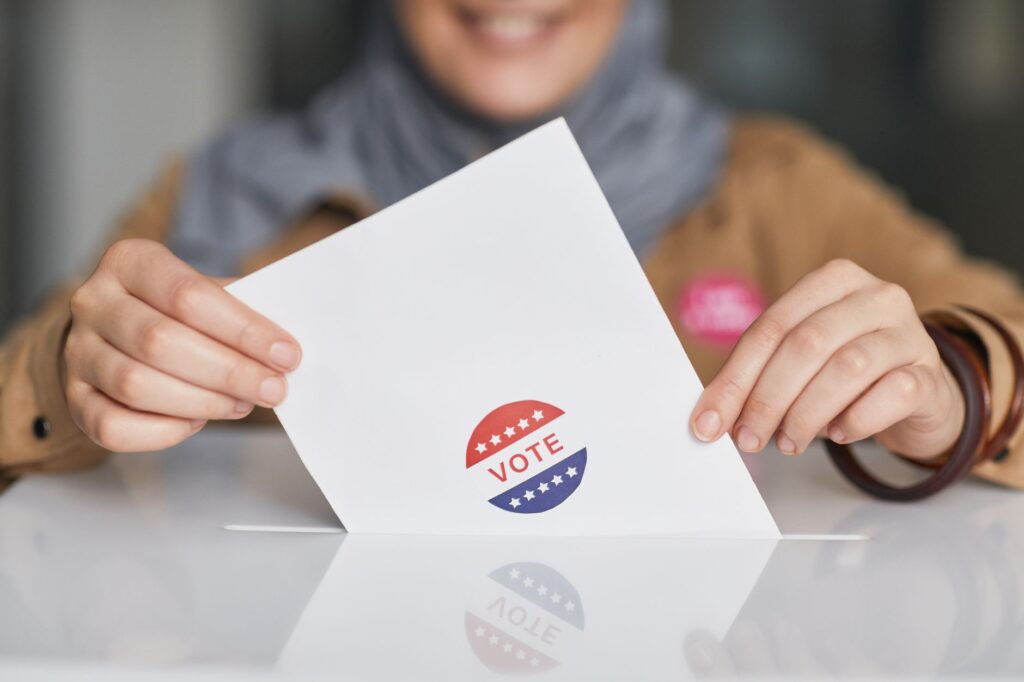
Betting on Elections: Most Americans Oppose Prediction Markets
Betting on elections is facing backlash as most Americans oppose prediction markets. Discover the latest insights.
betting on elections is a contentious topic, with a recent poll revealing that most Americans oppose the idea of using prediction markets for this purpose. This sentiment raises questions about the future of election betting.
Understanding Prediction Markets
Prediction markets have gained attention in recent years as a way for individuals to place bets on the outcomes of various events, including elections. However, the concept of betting on elections has sparked a significant debate among the American public. A recent poll indicates that most Americans are opposed to the idea of using prediction markets for electoral outcomes.
In a prediction market, participants buy and sell shares in the likelihood of an event occurring. For elections, these markets can provide insights into public sentiment and potential outcomes based on the financial stakes involved. Proponents argue that such markets can offer a more accurate gauge of voter intentions compared to traditional polling methods.
Despite these potential benefits, many Americans express concerns about the ethical implications of betting on elections. Some believe that financial interests might overshadow democratic values, leading to unfavorable consequences for the electoral process.
Key points of contention among the public include:
- Integrity of Elections: Many fear that prediction markets could compromise the integrity of the electoral process.
- Public Perception: There are concerns that betting on elections could lead to a lack of seriousness regarding civic duties.
- Regulatory Issues: The legal framework surrounding prediction markets remains ambiguous, raising questions about oversight.
As the debate continues, it is clear that the idea of betting on elections remains a contentious issue in American society.
The Poll Results Explained
A recent poll reveals that a significant majority of Americans are against the idea of betting on elections through prediction markets. Specifically, the survey found that 66% of respondents expressed their disapproval of such platforms, while only 24% were in favor. This strong opposition highlights concerns surrounding the implications of allowing financial speculation on electoral outcomes.
Many participants voiced their worries about the potential for corruption and manipulation of the democratic process. Critics argue that betting on elections could incentivize individuals to engage in unethical behavior, such as attempting to influence voters or sway public opinion for personal gain. Additionally, opponents question the morality of treating elections as a financial gamble.
The poll also revealed notable differences in opinion based on demographic factors. For instance, younger voters showed a slightly higher acceptance of betting on elections compared to older age groups. However, even among younger respondents, the majority still opposed the concept.
Ultimately, the results suggest that while some may see potential in integrating betting on elections as a form of civic engagement or entertainment, the prevailing sentiment among the American public remains one of caution and disapproval. As discussions around prediction markets continue, it is clear that many feel uneasy about their impact on the electoral landscape.
Public Sentiment on Election Betting
As the debate around betting on elections gains traction, public sentiment reveals a significant opposition to the concept of prediction markets. A recent poll indicates that a majority of Americans are uncomfortable with the idea of placing bets on electoral outcomes, fearing potential implications for democratic processes.
Respondents expressed various concerns regarding the integrity of elections, with many believing that betting could lead to unethical behavior or influence voter decisions. The idea of financial incentives tied to election results raises alarms about the potential for corruption and manipulation.
Key findings from the poll include:
- 61% of Americans oppose the establishment of prediction markets for elections.
- 52% believe that betting on elections undermines the democratic process.
- 70% are concerned about the impact of such markets on voter turnout.
While proponents argue that betting on elections could foster engagement and interest in political outcomes, the resistance from the public suggests a cautious approach. Many citizens are wary of intertwining financial speculation with civic duty, highlighting the need for careful consideration of the implications surrounding election-related betting practices.
Legal Implications of Betting on Elections
The legal implications of betting on elections have garnered significant attention, especially as public opinion shifts regarding prediction markets. Despite the growing popularity of various betting platforms, most Americans remain opposed to the concept of betting on elections. This resistance is largely due to concerns over the integrity of the electoral process and the potential for corruption.
Currently, the legality of election betting varies by state, with some jurisdictions allowing certain forms of wagering while others prohibit it outright. Federal laws, such as the Wire Act and the Professional and Amateur Sports Protection Act, also play a crucial role in shaping the landscape of election betting. These laws aim to prevent illegal gambling activities but can complicate the establishment of formal prediction markets.
Moreover, critics argue that betting on elections could lead to manipulation of outcomes, where individuals or groups might attempt to influence voter behavior based on odds. This concern raises ethical questions about whether financial incentives should intertwine with civic duties. Advocates for prediction markets claim that they provide valuable insights into public sentiment, yet the predominant view remains that the risks outweigh the benefits.
As discussions continue, it is clear that understanding the legal ramifications of betting on elections is essential for policymakers and citizens alike.
Comparison with Other Betting Forms
As the conversation surrounding betting on elections continues to develop, it is essential to compare this form of wagering with other popular betting activities. Many Americans partake in traditional betting forms, including sports betting and casino gambling, which have gained widespread acceptance in recent years.
Unlike betting on elections, where the outcome is influenced by a multitude of unpredictable factors, sports betting often revolves around more tangible events, such as game statistics and player performance. This distinction can significantly impact public perception, as most individuals are more comfortable wagering on events with clear outcomes.
Another critical factor to consider is the regulation and legality of different betting forms. While many states have embraced sports betting since the repeal of PASPA in 2018, betting on elections remains largely restricted. This disparity may contribute to the skepticism surrounding prediction markets, as individuals might view them as less legitimate compared to more established betting avenues.
Moreover, the social acceptance of betting on elections differs markedly from that of other betting activities. Many people engage in sports betting as a form of entertainment, while betting on elections can evoke concerns about the integrity of the democratic process. This sentiment contributes to the overall opposition many Americans express towards prediction markets.
Experts Weigh In on the Debate
As the conversation around betting on elections gains momentum, experts are weighing in on the potential implications and public sentiment surrounding prediction markets. According to Dr. Emily Carter, a political analyst, the resistance to election betting is rooted in concerns over the integrity of democratic processes. “Many fear that allowing betting could lead to manipulation or undue influence on voter behavior,” she stated.
Moreover, Professor Mark Levin, an economist, highlighted the challenges prediction markets face. “While they can provide insights into public opinion and trends, the ethical ramifications must be carefully considered. The public’s reluctance to embrace these markets suggests a deep-seated apprehension about their role in shaping political outcomes,” he explained.
In contrast, some proponents argue that betting on elections could enhance engagement and provide a unique perspective on electoral dynamics. “Prediction markets have a track record of accuracy in forecasting outcomes in various fields. If properly regulated, they could offer valuable information without compromising democratic values,” noted Dr. Sarah Thompson, a behavioral economist.
Despite these contrasting views, the prevailing sentiment among experts indicates a cautious approach, advocating for more dialogue and research before moving forward with the integration of betting systems into the electoral process.
Future of Gambling in Elections
The future of gambling in elections remains uncertain as public opinion leans heavily against the concept of betting on elections through prediction markets. A recent poll indicates that a significant majority of Americans are not in favor of such practices, raising questions about the potential implementation of these markets in future electoral processes.
As discussions surrounding the legality and ethical implications of election betting continue, various stakeholders are expressing their concerns. Opponents argue that prediction markets could undermine the democratic process, potentially leading to manipulation or unfair advantages for those with insider knowledge. In contrast, proponents suggest that these markets could enhance engagement and provide a new avenue for political discourse.
In light of these contrasting views, several factors will influence the trajectory of election betting in the coming years:
- Legislative Changes: Potential changes in laws surrounding gambling could either open the door for prediction markets or reinforce existing prohibitions.
- Technological Advancements: The rise of online betting platforms may create new opportunities for participation in prediction markets.
- Public Education: Increased awareness and understanding of how these markets operate may shift public sentiment over time.
Ultimately, the debate over betting on elections highlights the need for ongoing dialogue about the role of gambling in democratic systems.
What This Means for Prediction Markets
The recent poll indicating that most Americans oppose betting on elections through prediction markets has significant implications for the future of such platforms. As public sentiment leans against the idea of wagering on political outcomes, it raises questions about the viability and acceptance of these markets in the broader landscape of gambling.
Firstly, prediction markets thrive on participation and liquidity. If a substantial portion of the population is uncomfortable with betting on elections, it could limit user engagement and deter investors from entering the market. This hesitance may hinder the development of innovative platforms that could otherwise provide valuable insights into political trends and voter behavior.
Moreover, the legal framework surrounding betting on elections could become more stringent as public opposition grows. Lawmakers might respond to constituents’ concerns by implementing stricter regulations that could stifle the growth of prediction markets. This could create a significant barrier for entrepreneurs looking to launch these platforms.
Finally, the current backlash against election betting might push advocates to reevaluate their strategies. They may need to engage in more transparent dialogue with the public, emphasizing the potential benefits of prediction markets while addressing ethical concerns. Without addressing these issues, the future of betting on elections may remain uncertain.
Photo by Edmond Dantès on Pexels
Sources
Related stories
Just Slots Partnership: Best Proven Collaboration in iGaming · Barcelona Galatasaray clash: Is it the right time to worry? · Alberta Online Poker Blackout: The Worst Market Exit News